

Choosing the right preschool is an important step in your child’s early development. At the age of three, children begin to explore the world, build relationships, and learn new skills. A good preschool provides a safe and caring environment where children can learn through play and everyday activities. When looking for a preschool for 3 year olds, parents should consider several factors to ensure their child receives the right support, attention, and learning opportunities.
A Safe and Comfortable School Environment
Safety should be one of the first things parents consider when choosing a preschool. The classrooms, playgrounds, and restrooms should be clean, secure, and suitable for young children. Furniture and toys should be age-appropriate, and the school should have clear rules for collecting children at the end of the day.
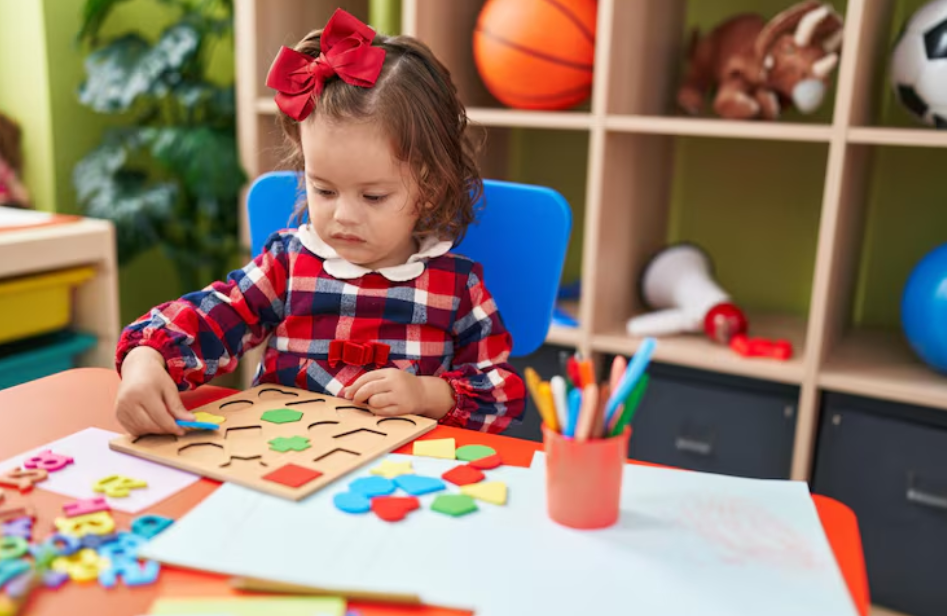
Comfort is equally important because three-year-olds may need time to adjust to a new place. A welcoming classroom with colorful learning materials, comfortable spaces, and friendly teachers can help children feel relaxed. When visiting a preschool for 3 year olds, observe whether children appear happy, comfortable, and interested in their surroundings.
Qualified and Caring Teachers
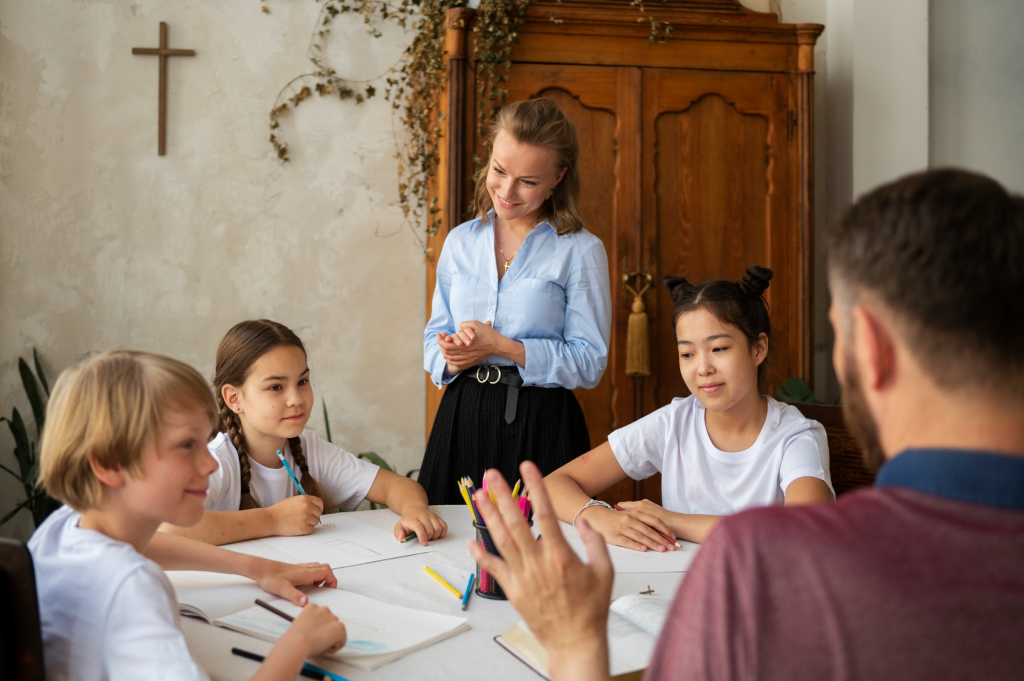
Teachers play a major role in a child’s early learning experience. At this age, children need patient adults who understand their emotional, social, and educational needs. Look for teachers who have suitable early childhood education training and experience working with young children.
It is also important to notice how teachers communicate with their students. They should speak kindly, listen carefully, and guide children without making them feel afraid or embarrassed. A preschool for 3 year olds with caring teachers can help children develop confidence, express their feelings, and build positive relationships with others.
Learning Through Play and Activities
Three-year-olds learn best when they can explore, play, and take part in simple activities. A good preschool should offer a balanced program that includes storytelling, drawing, music, puzzles, outdoor play, and creative projects. These activities support language development, coordination, imagination, and problem-solving skills.
Parents should also ask how the school prepares children for future learning. At this age, the focus should be on basic skills rather than academic pressure. The right preschool for 3 year olds encourages curiosity and gives children opportunities to learn at their own pace while enjoying their daily experiences.
Class Size and Individual Attention
Every child develops differently, so individual attention is essential during the preschool years. Smaller classes or suitable child-to-teacher ratios can make it easier for teachers to understand each child’s needs and provide support when necessary.
Ask the school how it handles different learning speeds, emotional challenges, and conflicts between children. A supportive preschool allows children to ask questions, explore their interests, and receive guidance when they need it. Regular communication between teachers and parents also helps families understand their child’s progress.
Daily Routine and Parent Communication
A predictable daily routine helps young children feel secure. Look for a preschool that balances learning, meals, rest, outdoor activities, and free play. Ask about snack arrangements, toilet training support, nap times, and how the school manages separation anxiety during the first few weeks.
Parents should also choose a school that values open communication. Regular updates, parent-teacher meetings, and discussions about developmental progress help parents stay involved in their child’s education.
Conclusion
Choosing the right preschool requires careful thought and observation. Parents should consider safety, qualified teachers, play-based learning, class size, daily routines, and communication. By visiting different schools and asking clear questions, families can find a preschool for 3 year olds that supports their child’s happiness, confidence, and development. A positive early learning experience can create a strong foundation for future education and lifelong learning.