
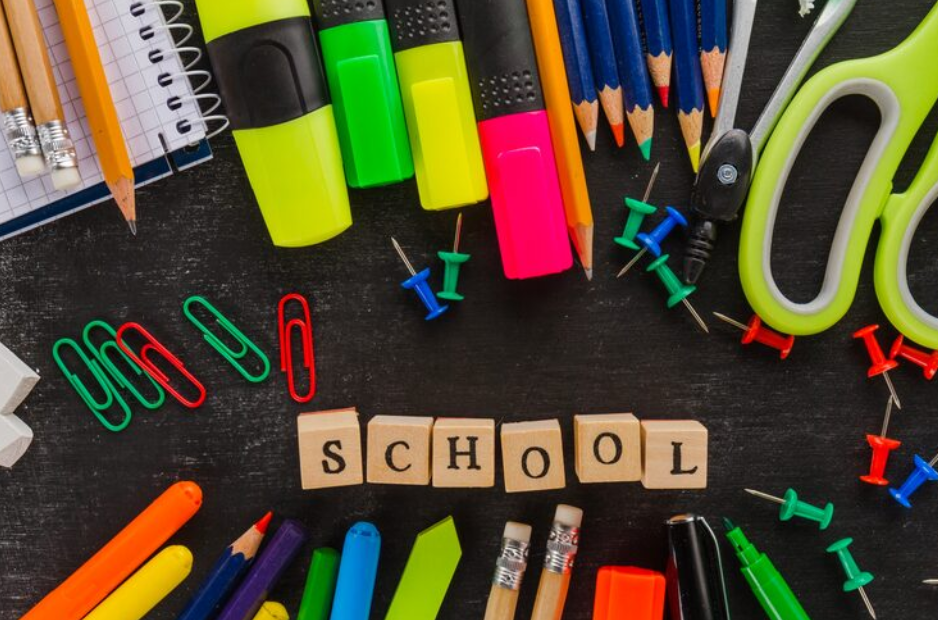

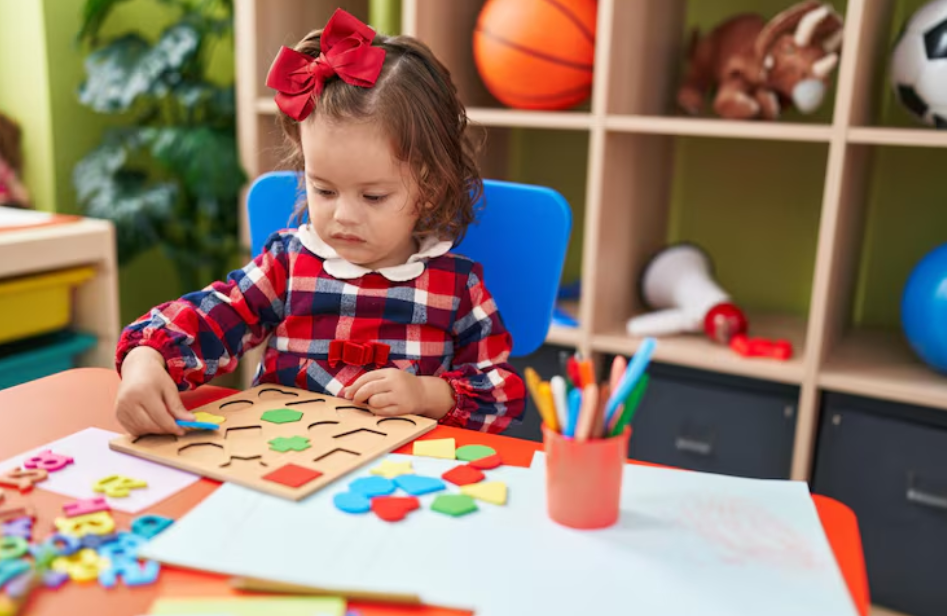


Providing students with the right school supplies is an important part of creating a positive learning environment. Schools need different materials throughout the academic year to support classroom activities, improve learning, and help teachers manage their lessons. Buying these items in large quantities can make the purchasing process easier and more affordable. However, choosing the right wholesale school supplies requires careful planning. Schools should consider product quality, pricing, variety, and supplier reliability before making a purchase.
Understand Your School’s Needs
The first step in choosing the best wholesale school supplies is understanding what your school needs. Every school has different requirements depending on the number of students, grade levels, and educational activities. For example, younger students may need crayons, colored pencils, glue sticks, and drawing paper, while older students may require notebooks, folders, pens, and other learning materials.
Creating a list of essential items can help schools avoid unnecessary purchases. It also makes it easier to estimate the required quantities and manage the available budget. Understanding these needs ensures that you purchase useful products that support everyday classroom activities.
Focus on Product Quality
Product quality is another important factor when purchasing wholesale school supplies. Schools should choose materials that are safe, durable, and suitable for regular use. Low-quality products may break easily or stop working properly, which can lead to additional expenses and inconvenience.
Before placing a large order, consider checking product samples or customer reviews. Pay attention to details such as material quality, durability, and ease of use. For products used by younger children, safety should also be a priority. Choosing reliable supplies helps create a better learning experience for both students and teachers.
Compare Prices and Bulk Discounts
Budget management is essential for every educational institution. Purchasing wholesale school supplies can help schools save money because bulk orders often come with lower prices per item. However, it is important to compare different suppliers before making a final decision.
Look beyond the advertised discounts and consider the overall value of each purchase. Shipping fees, minimum order requirements, and additional charges can affect the final cost. Comparing prices from different wholesalers helps schools find affordable products without compromising on quality.
Choose a Reliable Wholesale Supplier
A dependable supplier makes the purchasing process easier and more convenient. Schools should work with wholesalers who have a good reputation, offer consistent product quality, and provide helpful customer support. Reliable suppliers can also make it easier to manage large orders and arrange deliveries on time.
Check customer feedback and review the supplier’s return and replacement policies before placing an order. It is also helpful to choose a supplier with clear communication and transparent pricing. Building a long-term relationship with a trusted wholesaler can make future purchases more efficient.
Look for a Wide Range of Products
Schools need different supplies for various subjects and classroom activities. Choosing a wholesaler with a wide product selection allows schools to purchase several essential items from one place. This may include writing materials, art supplies, notebooks, classroom tools, and organizational products.
Having access to different wholesale school supplies saves time and reduces the effort required to work with multiple vendors. It also makes inventory management more convenient throughout the school year.
Conclusion
Choosing the best wholesale school supplies requires careful attention to quality, pricing, product variety, and supplier reliability. Schools should first understand their needs, compare available options, and select products that fit their budgets. Working with a dependable wholesaler can make purchasing easier while ensuring students and teachers have the materials they need. With proper planning, schools can create well-equipped classrooms and support a better learning environment.