

A child’s development is full of moments that parents remember for years. The first smile, the first time a baby rolls over, the excitement of hearing a new word, and those uncertain first steps all represent important changes. These moments may appear small, but they reflect remarkable progress in the way a child moves, communicates, thinks, and connects with the world.
However, childhood development does not happen according to one perfectly predictable schedule. Some children begin walking earlier, while others spend more time developing balance and confidence. One child may use many words at a young age, while another communicates effectively through gestures and facial expressions before language becomes more noticeable. These differences can leave parents wondering whether their child’s progress is typical.
This is where developmental milestones tracking becomes useful. It helps parents and caregivers observe emerging abilities, understand different growth stages, and recognize when a child may benefit from additional support. It is not about turning childhood into a competition or checking off every skill on a strict timetable. It is about understanding the whole child and noticing how different abilities develop over time.
By observing physical, cognitive, communication, social, and emotional changes, families can build a clearer picture of development. They can also share meaningful information with pediatricians and other professionals when questions arise. Most importantly, they can celebrate progress while giving children the time and encouragement they need.
Every Child Has a Different Developmental Timeline
Children develop through a series of interconnected stages. A baby first learns to control movements, respond to familiar voices, and explore the surrounding environment. Later, the child begins using gestures, understanding simple instructions, moving independently, and interacting more actively with other people. During preschool years, imagination, language, coordination, and social understanding become increasingly complex.
Although many children develop similar abilities within broad age ranges, the exact timing varies. Genetics, health, temperament, opportunities for movement, family interaction, and environmental experiences can all influence development. A child who spends more time practicing movement may develop certain physical skills earlier, while another may show particular strengths in communication or problem-solving.
The purpose of developmental milestones tracking is to recognize these patterns rather than judge a child against another. A milestone is a developmental ability that many children achieve by a particular age. It provides a helpful reference point, but it is not a guarantee that every child will demonstrate the same skill at precisely the same time.
Parents should also understand the difference between observing development and making a diagnosis. A milestone checklist cannot determine whether a child has a developmental condition. It can, however, help identify questions that deserve attention during a professional assessment.
A useful approach is to look at progress across several areas instead of focusing on one isolated achievement. For example, a toddler’s communication development includes more than the number of words spoken. Understanding language, responding to familiar instructions, using gestures, sharing attention, and interacting with others are also important parts of communication.
The Five Areas That Shape Early Childhood Development
Child development involves several areas that influence one another. A child who learns to move independently gains more opportunities to explore objects, interact with people, and develop problem-solving skills. Communication also supports social development because children gradually learn to express needs, understand others, and participate in shared activities.
Physical Growth, Movement, and Coordination
Physical development includes both gross motor and fine motor abilities. Gross motor skills involve larger movements such as holding the head steady, rolling, sitting, crawling, standing, running, and climbing. Fine motor skills involve smaller movements, including reaching, grasping, transferring objects between hands, turning pages, drawing, and handling small items safely.
During infancy, babies gradually gain control over their heads, arms, legs, and trunks. They begin exploring movement through kicking, reaching, rolling, and eventually sitting with increasing stability. As they grow, their movements become more coordinated and purposeful.
Fine motor development progresses alongside these larger physical changes. A baby may initially grasp an object with the whole hand before gradually developing more precise finger movements. Later, children begin using utensils, stacking blocks, turning book pages, and making marks with crayons.
When practicing developmental milestones tracking, parents should observe how a child uses movement in everyday situations. Does the child reach for interesting objects? Can they gradually manage movements that previously seemed difficult? Are they becoming more confident when sitting, standing, or walking? These observations provide useful context beyond simply recording the date of a first achievement.
Communication, Thinking, and Everyday Learning
Communication development begins long before a child speaks their first recognizable word. Babies respond to voices, make sounds, observe facial expressions, and gradually learn that communication creates interaction. Smiling, babbling, pointing, reaching, and using gestures are all meaningful parts of early communication.
As children grow, they begin understanding familiar words and instructions. Their vocabulary expands, and they start combining words to express more complicated thoughts. Speech development is only one part of this process. Listening, understanding, responding, and communicating through gestures are equally important.
Cognitive development involves learning, memory, attention, curiosity, and problem-solving. A baby who repeatedly drops an object and watches where it lands is exploring cause and effect. A toddler who searches for a toy hidden under a blanket is practicing memory and object permanence. A preschooler who sorts objects by color or invents an imaginary game is using increasingly complex thinking skills.
Parents can support this development through conversation, play, reading, and opportunities to explore. Developmental milestones tracking can help families notice how a child’s curiosity and problem-solving abilities change. Rather than expecting children to learn through formal lessons, everyday experiences often provide the most meaningful opportunities.
Social Interaction and Emotional Development
Social and emotional development shapes how children understand themselves and relate to others. It includes attachment, emotional expression, social interest, confidence, independence, and gradually developing self-regulation.
During infancy, babies begin responding to familiar caregivers through eye contact, smiles, sounds, and body movements. These interactions help establish early relationships. As children grow, they may show preferences for familiar people, seek comfort when upset, and become increasingly interested in other children.
Toddlers often experience strong emotions because their ability to express feelings is developing faster than their ability to manage them. Frustration, excitement, fear, and disappointment can appear suddenly. This does not automatically indicate a problem. Young children need time, repetition, and supportive adults to learn how to recognize and manage their feelings.
Preschool children gradually become more capable of sharing, cooperating, waiting, and understanding simple social expectations. However, emotional regulation develops over many years. Even older children need guidance when situations feel overwhelming.
A Closer Look at Development From Birth to Five Years
Understanding broad developmental stages helps parents recognize what kinds of changes may appear as children grow. These stages should be treated as general guides, not strict deadlines. Children may acquire abilities at different times, and skills within the same developmental area do not always emerge together.
During the first three months, babies gradually become more responsive to the world around them. They may begin looking toward familiar faces, reacting to sounds, making early vocalizations, and developing greater control over their head movements. Their interactions are often brief, but these small exchanges establish important foundations for communication and attachment.
Between four and six months, many babies become more active explorers. They may reach for toys, bring objects toward their mouths, roll in one or both directions, and respond more clearly to familiar people. Their vocal play can become more varied, with different sounds and early patterns of babbling. They also become increasingly interested in faces, movement, and objects around them.
From seven to twelve months, physical and communication abilities often become more noticeable. Some babies sit independently, move across the floor, pull themselves toward standing, or begin moving along furniture. Others use gestures, respond to their names, imitate sounds, and show a growing understanding of familiar words. Toward the end of the first year, some children begin taking independent steps, while others need additional time to develop balance and confidence.
During the second year, toddlers often become more mobile and independent. Walking, climbing, carrying objects, and exploring their surroundings create new opportunities for learning. Language may expand quickly, and children may begin combining words. They also start expressing preferences more strongly, although frustration can occur when they cannot communicate what they want.
Between two and three years, many children become increasingly interested in pretend play, simple conversations, and everyday routines. They may begin using short sentences, asking questions, naming familiar objects, and following more complex instructions. Their physical coordination also develops through running, jumping, climbing, and using their hands for drawing or building.
From three to five years, development often becomes more sophisticated. Children may tell simple stories, engage in imaginative play, participate in group activities, and demonstrate greater independence with dressing or other everyday tasks. Their ability to understand rules, express emotions, and cooperate with other children also continues to develop.
These examples illustrate why developmental milestones tracking should cover the entire early childhood period. A child may show strong progress in one area while another develops more gradually. Looking at the overall pattern gives parents a more useful understanding than focusing on a single achievement.
Turning Everyday Observations Into Meaningful Progress Records
Parents do not need special equipment or complicated forms to observe development. Many important abilities appear during ordinary activities. Feeding, playing, dressing, reading, bathing, and spending time outdoors all create opportunities to notice changes.
What Parents Should Notice During Daily Routines
Everyday routines reveal how children use their developing abilities. During mealtimes, parents may notice changes in reaching, grasping, chewing, using utensils, or communicating preferences. During dressing, a toddler may begin helping by lifting an arm, pushing a foot through clothing, or attempting to remove simple garments.
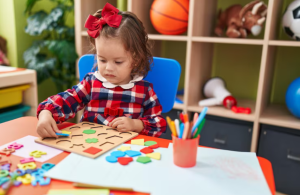
Play offers another valuable opportunity. A baby may begin reaching for a toy with greater accuracy. A toddler may stack blocks, imitate household activities, or use one object to represent another during pretend play. Older preschool children may create elaborate stories, solve simple puzzles, and participate in games with other children.
Communication can be observed during conversations and shared activities. Notice whether the child responds to familiar words, uses gestures, attempts new sounds, or communicates needs in different ways. Social development can also become visible through shared attention, imitation, comfort-seeking, and interest in familiar people.
Parents should avoid testing children constantly. A natural interaction usually provides more meaningful information than repeatedly asking a child to demonstrate a particular skill. Children may not perform an ability on demand, especially when tired, distracted, or uncomfortable.
Building a Practical Development Journal
A development journal can make observations easier to understand over time. It does not need to be complicated. Parents can record when a new ability first appeared, what the child was doing, and whether the skill becomes more consistent.
For example, instead of writing only that a toddler started using a new word, a parent might record the situation in which the word was used and whether the child used it independently. This provides more context for understanding communication progress.
Short notes are often more useful than long descriptions. A few observations each week can reveal patterns that may be difficult to remember months later. Photos or short videos can also help document movement, play, or interaction, provided the child’s privacy is protected.
An important part of developmental milestones tracking is recording questions as well as achievements. If a child rarely responds to sounds, struggles with a movement, or seems to lose an ability, write down what you notice and discuss it with a healthcare professional. A journal should support communication, not become a source of unnecessary worry.
Professional Screening and the Role of Pediatric Checkups
Parents observe their children in everyday situations, while pediatric professionals can assess development using clinical knowledge and appropriate screening tools. These perspectives work together. A parent may notice a change that is not obvious during a short appointment, while a healthcare professional can examine the child’s progress in a broader developmental context.
Developmental surveillance generally takes place during routine healthcare visits. It involves asking caregivers about concerns, observing the child’s behavior, reviewing developmental history, and considering progress across different areas. Formal developmental screening uses standardized questionnaires or tools to identify children who may benefit from further evaluation.
In the United States, the American Academy of Pediatrics recommends general developmental screening at 9, 18, and 30 months, alongside ongoing developmental surveillance during routine visits. Autism-specific screening is commonly recommended at 18 and 24 months. Healthcare systems in other countries may follow different schedules, so families should discuss the appropriate plan with their child’s clinician.
These appointments are important even when a child appears to be developing well. Screening is not reserved for children who already show obvious difficulties. It can help identify concerns that might otherwise remain unnoticed.
Hearing and vision also deserve attention. A child who has difficulty hearing may appear to have a language delay, while vision problems can influence movement, coordination, and interaction with the environment. If parents have concerns about how a child sees or responds to sounds, these should be discussed rather than assuming the issue is simply a developmental variation.
The value of developmental milestones tracking becomes especially clear during pediatric appointments. Specific examples help clinicians understand what parents are observing and decide whether further screening, assessment, or support is appropriate.
Understanding Developmental Differences Without Panic
One of the most important lessons for parents is that development is not a race. Two children of the same age may have different strengths, interests, and abilities. One may be physically adventurous, while another may spend more time observing and communicating. These differences do not automatically indicate a developmental concern.
Premature birth can also influence early developmental timing. Healthcare professionals may use corrected age during the first years of life when considering certain developmental expectations. Corrected age takes into account how early a baby was born and can provide a more appropriate comparison during early development.
Temperament matters as well. Some children are naturally cautious in unfamiliar situations. They may understand an instruction but hesitate to respond when someone asks them to demonstrate it. Others are highly active and may struggle to remain focused during a structured activity. Context helps explain why a child behaves differently in different environments.
However, normal variation should not be used to dismiss persistent concerns. If a child is not developing expected abilities, has difficulty across several areas, or shows limited progress over time, a professional discussion is appropriate.
Most importantly, losing previously acquired skills deserves prompt attention. If a child stops using words, loses social engagement, or no longer performs a previously established physical ability, parents should contact a healthcare professional without waiting for the next routine appointment.
Good developmental milestones tracking balances patience with awareness. It allows room for individual differences while ensuring that important concerns are not overlooked.
Everyday Experiences That Encourage Healthy Development
Children learn through relationships and experiences. Their surroundings do not need to be expensive or filled with educational products. Simple activities, responsive interaction, and opportunities to explore can support development in meaningful ways.
Play, Movement, and Exploration
Play gives children opportunities to practice physical, cognitive, and social abilities. Babies benefit from safe floor time, reaching activities, and supervised tummy time while awake. These experiences encourage movement and help develop strength and coordination.
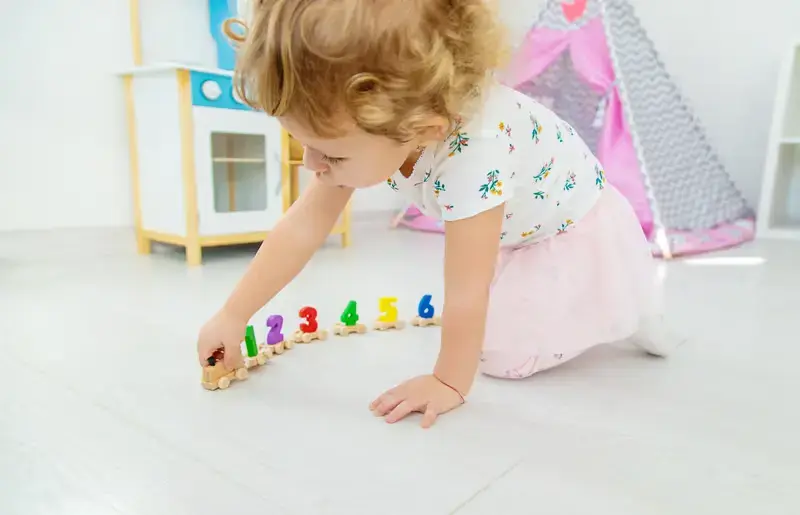
As children grow, blocks, stacking toys, shape sorters, soft balls, and simple puzzles can encourage problem-solving and fine motor skills. Outdoor experiences introduce different surfaces, sounds, textures, and opportunities for movement. A supervised walk in a garden or park can become a valuable learning experience.
Pretend play becomes increasingly important during toddlerhood and preschool years. Children may imitate cooking, caring for dolls, building houses, or pretending to visit a shop. These activities encourage imagination, language, memory, and social understanding.
Parents should choose activities that match the child’s current abilities and interests. A toy does not need to be complicated to be useful. A collection of safe household objects, picture books, and simple building materials can support many kinds of learning.
Conversation, Reading, and Responsive Relationships
Talking with children supports language and social development from the earliest months. Babies benefit when caregivers respond to their sounds, make eye contact, describe everyday activities, and use warm expressions. These exchanges teach children that communication is interactive.
Shared reading is another valuable routine. Even before children understand a story, they can enjoy pictures, familiar voices, repetition, and the rhythm of language. As they grow, parents can ask simple questions, encourage children to describe images, and connect stories with real experiences.
Listening matters just as much as speaking. Give children time to respond rather than immediately completing their sentences or answering for them. When a toddler points toward an object, a caregiver can name it and expand the interaction. When a preschooler describes an event, asking a gentle follow-up question encourages more detailed communication.
Responsive relationships also support emotional development. Comforting a distressed child, recognizing their feelings, and providing consistent reassurance help them gradually learn to manage emotions. These interactions create a secure foundation for exploring the world.
When a Child May Need Additional Developmental Support
Sometimes observations suggest that a child may benefit from a closer assessment. This does not mean parents should immediately assume the worst. It means that asking questions early can help clarify what is happening and whether additional support would be useful.
Concerns may involve movement, communication, hearing, vision, learning, social interaction, or emotional regulation. For example, parents may notice that a child has difficulty using gestures, rarely responds to familiar sounds, struggles with age-appropriate movement, or shows limited progress in communication. A single observation does not establish a diagnosis, but repeated patterns deserve attention.
When discussing concerns with a pediatrician, provide specific examples. Explain what the child can do, what seems difficult, when the concern first appeared, and whether the ability is becoming more consistent. Bring relevant notes or short videos if they help demonstrate something that may not occur during the appointment.
Depending on the situation, the healthcare professional may recommend a formal developmental assessment, hearing or vision testing, or referral to another specialist. Some children benefit from speech and language therapy, occupational therapy, physical therapy, or early childhood developmental services.
Early intervention can be valuable because it provides support while children are actively developing new skills. The exact services depend on the child’s needs and the systems available in the family’s location. Parents should ask about local assessment and support options rather than assuming they must wait until school age.
The purpose of developmental milestones tracking is not to label children. It is to make sure that those who need extra help have an opportunity to receive it as early as reasonably possible.
Creating a Supportive Environment for Long-Term Progress
A supportive environment gives children room to explore, practice, make mistakes, and try again. It does not require parents to organize every hour around developmental activities. Consistent routines and warm relationships often provide a stronger foundation than an overloaded schedule.
Sleep is an important part of healthy development. Children’s sleep needs change with age, and adequate rest supports attention, mood, learning, and physical well-being. Parents can encourage healthy sleep habits through predictable routines, suitable sleeping environments, and age-appropriate schedules.
Nutrition also matters. A varied, balanced diet supports physical growth and provides the energy children need for daily activities. Feeding should remain responsive and appropriate to the child’s developmental stage. If parents have concerns about eating, growth, or feeding skills, they should discuss them with a healthcare professional.
A safe environment encourages independent exploration. Babies need supervised spaces where they can move freely, while toddlers benefit from child-safe areas that allow them to practice new abilities. Preschool children need opportunities to make simple choices, participate in routines, and interact with others.
It is equally important to recognize effort. A child who attempts a new movement, communicates a need, or manages a small task independently deserves encouragement. Positive feedback should focus on effort and progress rather than comparison with other children.
Families can make developmental milestones tracking part of ordinary life by combining observation with encouragement. Parents can notice new abilities, offer suitable opportunities to practice, and adapt routines as their child grows. The goal is not to accelerate development but to create conditions in which children feel safe and supported.
Making Developmental Progress a Journey of Understanding
Every child develops through a combination of individual characteristics, relationships, health, and everyday experiences. Some abilities appear quickly, while others require repeated opportunities and patient support. Understanding this process helps parents respond with confidence instead of feeling pressured by comparisons or rigid expectations.
Developmental milestones tracking provides a practical way to notice progress across physical, cognitive, communication, social, and emotional areas. It can make everyday observations more meaningful and help families prepare useful questions for pediatric appointments. It also encourages parents to recognize changes that might otherwise be overlooked.
The most valuable approach combines careful observation with professional guidance. Celebrate new skills, allow children time to practice, and seek advice when something causes concern. If a child loses previously acquired abilities, arrange a prompt professional assessment rather than waiting.
Above all, remember that milestones are tools for understanding children, not standards for judging them. A child’s progress is made up of many small moments, from a first gesture to a new friendship or an independent attempt at a difficult task. When parents notice and support these moments, they help create a strong foundation for lifelong learning and well-being.
Frequently Asked Questions
What is developmental milestones tracking?
Developmental milestones tracking is the process of observing and recording a child’s emerging abilities across physical, communication, cognitive, social, and emotional areas. It helps parents understand progress over time, recognize possible concerns, and share useful information with healthcare professionals. It is a guide to development, not a diagnostic test.
At what age should parents start tracking developmental milestones?
Parents can begin observing development from birth. Early attention to movement, responses to sounds, facial expressions, feeding, and interaction provides a useful starting point. As children grow, parents can record communication, play, coordination, and independence. Routine pediatric appointments help review progress and identify whether further screening is appropriate.
What should parents do if their child is not meeting developmental milestones?
Parents should discuss persistent concerns with a pediatrician rather than relying on comparisons or waiting indefinitely. Record specific examples, including skills the child finds difficult and any changes over time. A professional may recommend developmental screening, hearing or vision checks, further assessment, or early intervention services when appropriate.